
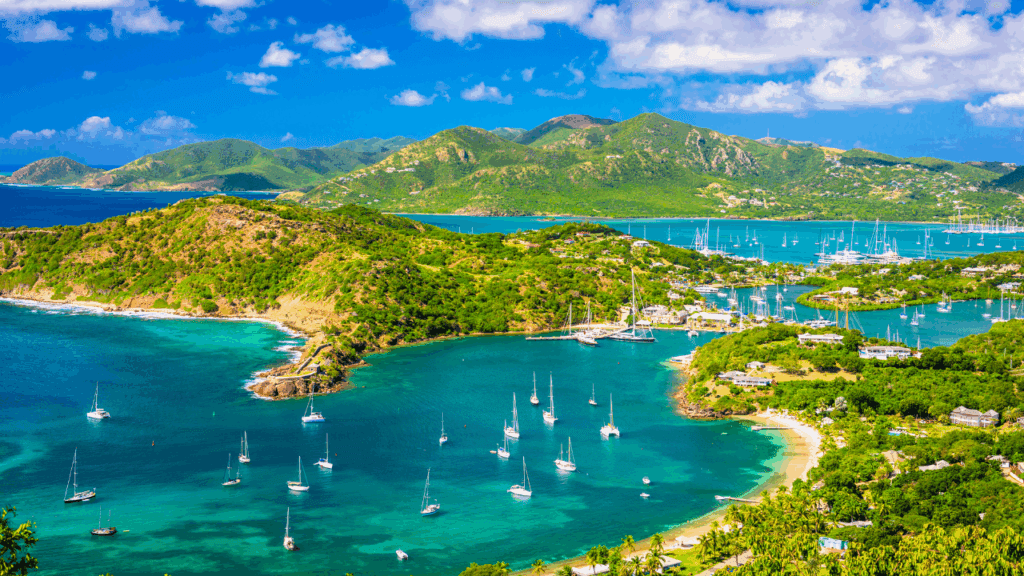
The air pulses with the melodic rhythms of steel drums. Feathers shimmer from the bodies of masqueraders in the Caribbean sun. Laughter, music, and movement swirl through the streets like a living memory. This is Carnival in Antigua and Barbuda—a jubilant celebration deeply rooted in the history, freedom, and resilience of Antigua and Barbuda. But beyond the dazzling spectacle lies a deeper story, one that echoes through generations and invites travelers to connect with the cultural soul of these twin islands.
A Tale of Two Islands

Nestled in the heart of the Eastern Caribbean, Antigua and Barbuda are sister islands with distinct personalities and a shared spirit. Antigua, the larger and more populous of the two, is famed for its 365 beaches—one for every day of the year. Its rolling hills, historic harbors, and vibrant capital of St. John’s offer a dynamic blend of natural beauty and colonial history.
Barbuda, by contrast, is a quiet sanctuary. With its pink sand beaches, untouched landscapes, and a population of just over 1,000, it offers a slower, more intimate connection to nature and tradition. Together, these islands form a nation that is as rich in culture as it is in coastline.
Wadadli and the Roots of Identity
Long before European ships arrived, Antigua and Barbuda was occupied by nomadic groups of Amerindians, the Tainos and Kalinagos people. They referred to Antigua as Waladi/ Wadadli and Barbuda as Wa’omoni. Their legacy lives on in the island’s name, in archaeological sites, food ways, and in the oral traditions passed down through generations. But the transatlantic slave trade profoundly shaped the cultural foundation of modern Antigua and Barbuda.
Enslaved Africans brought to the islands endured unimaginable hardship, yet they also carried with them languages, rhythms, beliefs, and customs that would become the heartbeat of Antiguan and Barbudan identity. From the syncopated sounds of benna music—an early form of calypso used to spread news and resistance—to the vibrant storytelling traditions and communal values, African heritage is woven into every aspect of island life.
Carnival: A Living Celebration of Emancipation
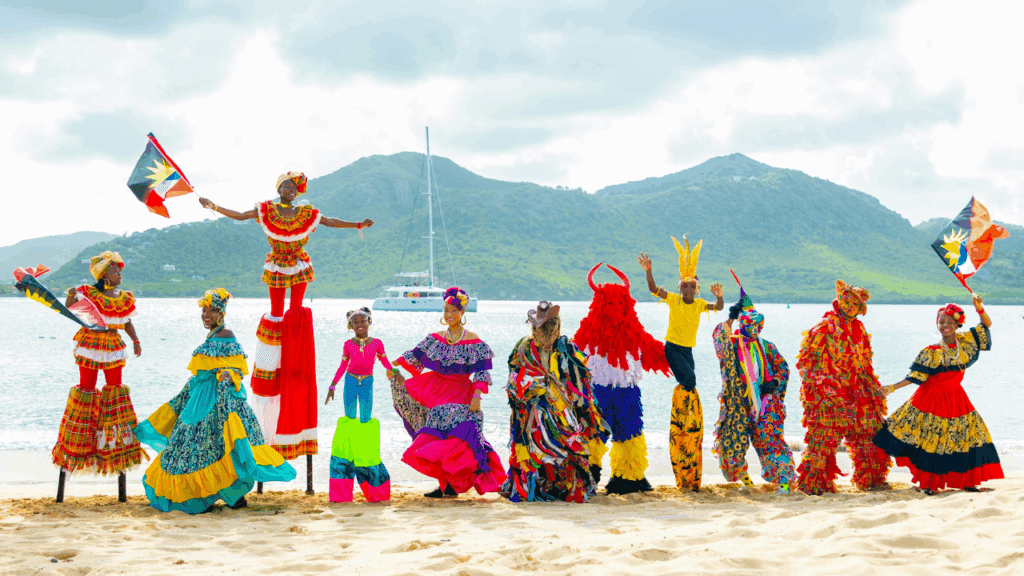
Each summer, Antigua erupts in a kaleidoscope of color, sound, and spirit during Carnival. It’s more than a party—it’s a living tribute to Antigua and Barbuda’s Carnival history, commemorating the abolition of slavery in 1834. The festivities include J’ouvert, a pre-dawn street party where revelers dance through the streets, many of them covered in paint, mud, or powder—symbolizing liberation and rebirth. Throughout the week, the island comes alive with calypso and soca competitions, steel pan performances, and the electrifying Parade of the Bands, where masqueraders in elaborate costumes flood the streets in a joyous display of creativity and unity.
For locals, Carnival is deeply personal. It’s a time to honor ancestors, celebrate resilience, and affirm identity. For travelers, it’s an invitation to witness history in motion—and to join in the revelry and the celebration of the island’s vibrant culture.
Cultural Encounters Beyond the Beach

While Carnival is the most visible celebration of heritage, Antigua and Barbuda offer countless ways to engage with its cultural roots year-round:
- Museum of Antigua and Barbuda: Located in a colonial courthouse in St. John’s, this museum chronicles the islands’ history from pre-Columbian times to emancipation and independence.
- Betty’s Hope: The ruins of this 17th-century sugar plantation offer a sobering glimpse into the realities of slavery and the economic forces that shaped the Caribbean.
- Local festivals: From Independence Day in November to smaller village fêtes, these gatherings showcase traditional music, dance, and cuisine.
- Culinary traditions: Sample dishes like fungi and pepperpot, ducana, and saltfish, each with roots in African and Indigenous cooking.
Barbuda: Quiet Strength and Cultural Resilience
Often overshadowed by its sister island, Barbuda doesn’t host a large-scale Carnival. But its cultural resilience is deeply connected to the broader Antigua and Barbuda Carnival history and the spirit of emancipation. Hurricane Irma devastated the island in 2017, but its people have rebuilt with determination and pride. Today, Barbuda offers a rare glimpse into a way of life that values community, tradition, and harmony with nature.
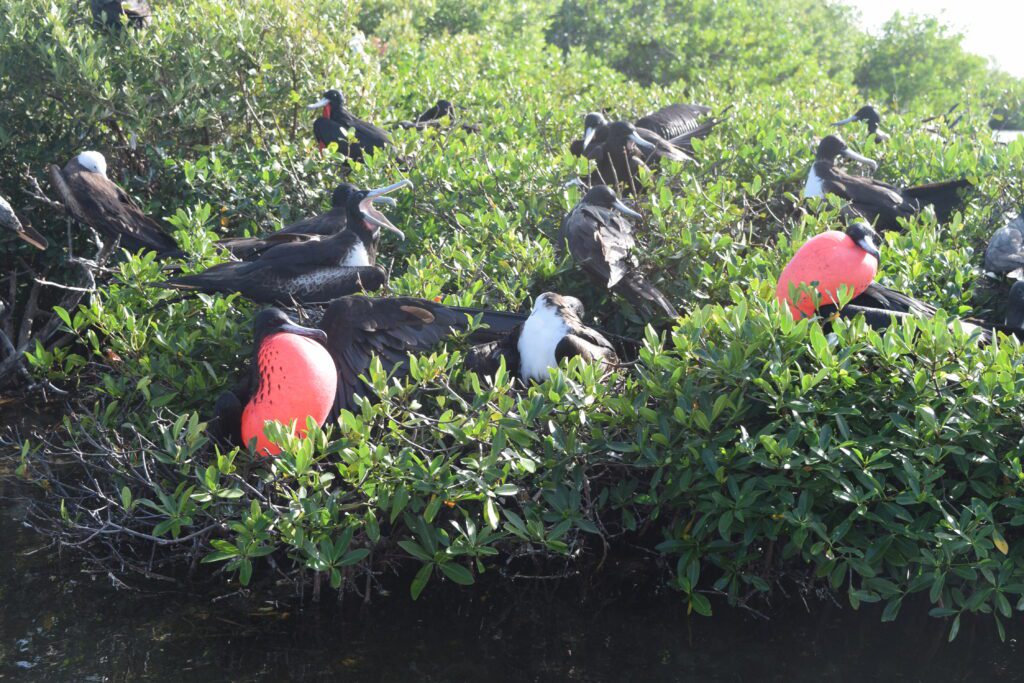
Visit the Frigate Bird Sanctuary, one of the largest in the world, or explore the island’s caves and petroglyphs. Talk to locals in Codrington, the island’s only town, and you’ll hear stories of survival, heritage, and hope.
Travel Maestro Takeaway
Antigua and Barbuda are more than postcard-perfect beaches. They are living, breathing stories of freedom, identity, and cultural pride. Whether you’re dancing in the streets during Carnival or walking through the quiet ruins of Betty’s Hope or Nelson’s Dockyard in Antigua’s historic World Heritage site, you’re invited to connect with a deeper narrative of Antigua and Barbuda Carnival history—one that honors the past while celebrating the present.
Ready to experience the soul of the Caribbean? Let a Covington Travel advisor craft a journey that goes beyond the ordinary and into the heart of Antigua and Barbuda.





Leave a Reply