
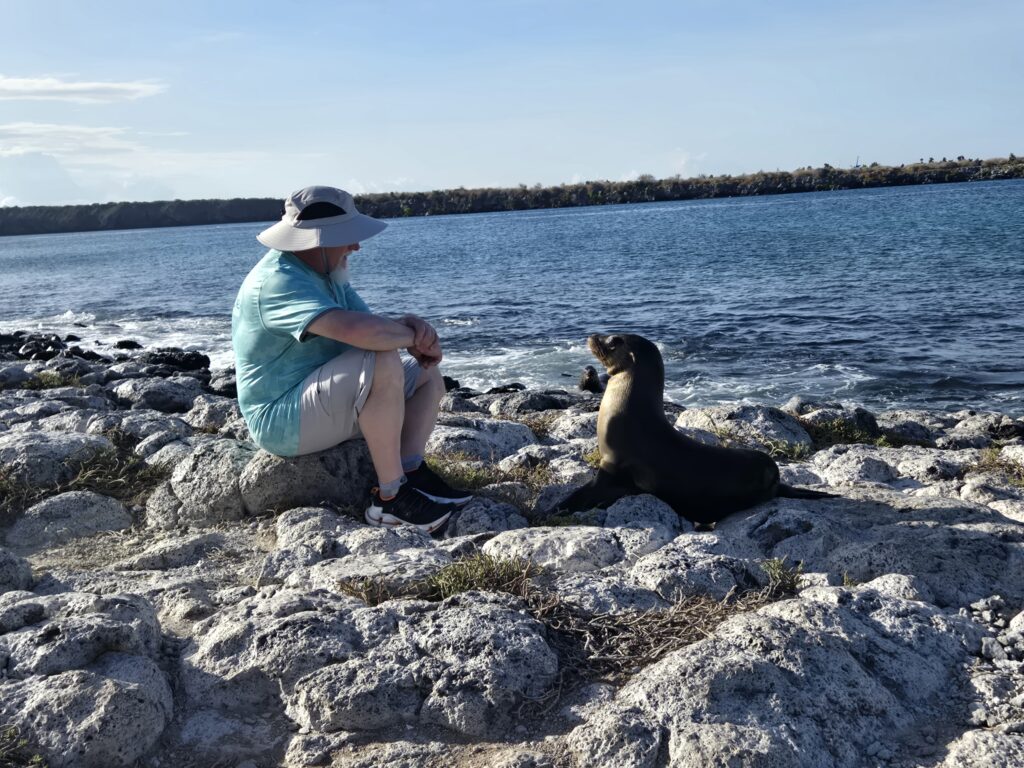
The Galapagos Islands are not a beach vacation; they’re a living laboratory where evolution is on daily display. A Galapagos cruise expedition is the most immersive, efficient way to experience that reality: your ship becomes a moving base camp, carrying you between dramatically different islands so your time goes to wildlife, not transit. Pair expert guidance with the right ship and the archipelago reveals itself in context, sequence, and wonder.
Travel Maestro Tip: A destination this rare deserves expert design. Book early, choose ship size with intention, and let a seasoned expedition team choreograph the details so your energy goes where it belongs: the islands, the wildlife, and the wonder.
Why Cruise, Not Land-Based?
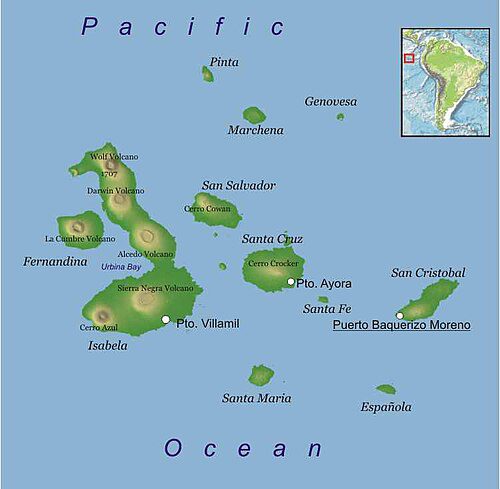
Only three islands, Santa Cruz, San Cristóbal, and Isabela, are inhabited. Reaching the most protected, wildlife‑rich sites on other islands requires certified guides and strict permits, which means day‑trippers spend hours on ferries before they even set foot on a trail, then must return to the same base each night. A cruise solves the math: while you sleep, the ship repositions; every dawn begins in a new ecosystem.
Conservation controls are another advantage. Visitor schedules, group sizes, and landing sites are tightly managed to protect fragile habitats. Done right, cruising isn’t a compromise; it’s the responsible way to visit.
Travel Maestro Tip: In destinations shaped by distance and regulation, moving while you sleep is the ultimate luxury. Take a Galapagos expedition cruise to see more and understand more, with less fatigue.
The Right Ship Changes Everything
Galapagos vessels range from ultra‑small yachts to purpose‑built expedition ships carrying up to 200 guests (think Silversea, HX, National Geographic–Lindblad, Celebrity). What matters most is the guest‑to‑guide dynamic: Ecuadorian regulations cap no more than 16 guests per certified naturalist guide on shore excursions, which directly impacts how intimately you experience each landing. Larger ships might require rotating groups or staggered landings. On smaller vessels, it can mean more time ashore, fewer tradeoffs, and a more fluid experience. Mid‑size expedition ships often strike the sweet spot. They’re stable and comfortable without diluting the small‑group feel.
Spotlight: Yacht La Pinta

Our 5‑day voyage on the 48‑passenger La Pinta delivered exactly that balance. We typically went ashore in groups of about eight per guide, which meant unhurried walks, richer interpretation, and smooth ship‑to‑shore operations. Credit to Metropolitan Touring: from timing to logistics, the itinerary was seamless, so the focus stayed where it belonged.
Travel Maestro Tip: In the Galapagos, intimacy equals insight. Pick a ship that prioritizes small groups, seasoned guides, and efficient landings. Your proximity to the experience is everything.
A Day in the Life (a.k.a. Why Early Mornings Win)
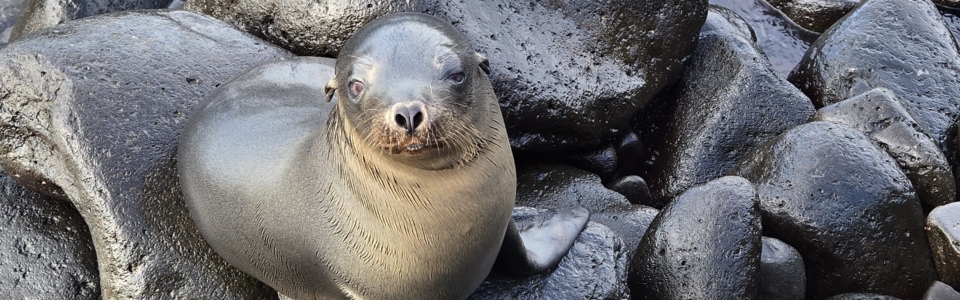


Dawn matters here. Wildlife is active, temperatures are cooler, and the first panga (zodiac) rides feel like secret passages to other worlds. Some mornings start on black lava crowded with marine iguanas; others, on sandy spits shared with unbothered sea lions and blue‑footed boobies. Afternoons often segue into snorkeling with sea turtles before an evening briefing that connects dots between geology, behavior, and conservation. It’s expedition life—comfortable, but purposefully active.
Travel Maestro Tip: Pack for motion: quick‑dry layers, sturdy shoes for uneven lava, and a sense of curiosity. The rhythm is explore, learn, rest, repeat.
East vs. West: A Living Timeline
The archipelago sits on a volcanic hotspot, and as the tectonic plate creeps roughly 7 cm per year toward South America, the islands drift with it. The westernmost islands are the youngest, with moonscapes of fresh lava and sparse vegetation, while the eastern islands are older, greener, and more ecologically mature. Seeing both on one journey turns the map into a time‑lapse of Earth in progress.
Travel Maestro Tip: Choose an itinerary that mixes older eastern and younger western islands. Comparison is the magic here. I enjoyed an eastern Galapagos cruise expedition, and then an island stay on Isabela in the west.
Evolution, Up Close (and Unafraid)
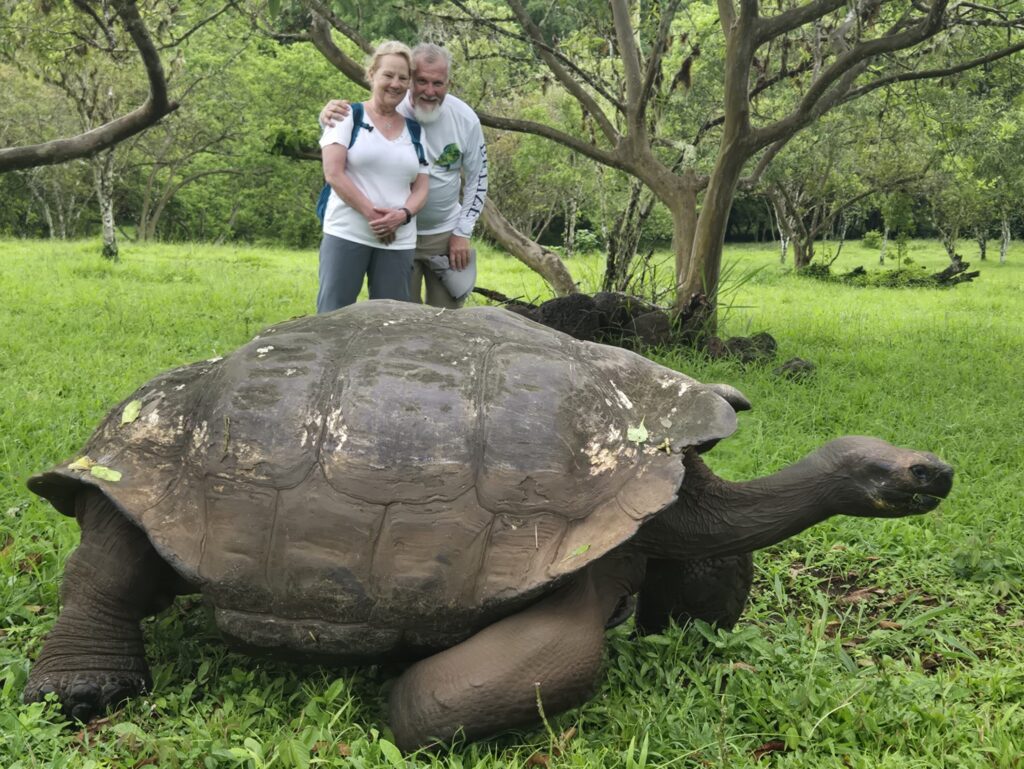
Every island is an evolutionary workshop. Iguanas, finches, and plant communities have adapted uniquely to age, terrain, and microclimate. That’s why multiple landings matter: one trail reveals lush ground cover and nesting birds; the next, scrub clinging to sharp lava and a different web of life. Encounters feel surprisingly intimate because animals evolved with little fear of humans, but strict rules (no touching or feeding) preserve that privilege.
Travel Maestro Tip: Variety isn’t a bonus; it’s the point. Prioritize itineraries with many landings over a single hotel base. Movement reveals meaning.
Why Your Guide Is Everything
Galapagos Naturalist Guides study at the university level for a year or more and must pass demanding National Park exams; ongoing education keeps their certification current. They are scientists, storytellers, and stewards in one, translating lava flows into lessons, bird behavior into biology, and strict rules into deeper respect. Regulations also keep groups intimate with no more than 16 guests per guide, so questions flow and moments breathe. Evening briefings turn anticipation into understanding.
Travel Maestro Tip: In the Galapagos, the guide is the experience. Put expertise at the top of your selection criteria.
Practical Realities (What Brochures Skip)

This is active travel: early wakeups, panga rides, wet and dry landings, and hikes over uneven volcanic terrain. Shorter‑walk options are often offered, but this is not a destination for mobility‑challenged travelers. Wheelchairs are not compatible with the landscape.
Sun exposure is serious on the equator. Reef‑safe sunscreen, long‑sleeve SPF shirts, lightweight pants, and broad‑brimmed hats are essential; even locals cover up. You don’t want melanoma as a souvenir! Water can be surprisingly cool; most travelers appreciate a wetsuit for longer snorkels, and cruise ships often have them available. Casual attire is standard onboard, but bring a light layer, too. Breezy nights happen.
Travel Maestro Tip: Preparation isn’t optional here; it’s responsible travel. Pack sun protection, grippy footwear, and motion‑friendly layers; you’ll use them daily.
When to Go & How Long
Galapagos welcomes visitors year‑round, and there is no “off-season.” Broadly, July–December is cooler and drier; January–June is warmer with brief, heavier showers. If you can, plan at least a week of exploration. Travel time from the mainland, plus the sheer variety across islands, deserves it. Book several months ahead, especially for peak seasons (June-August), due to strict visitor limits.
Travel Maestro Tip: Our March visit toward the end of the rainy season (January-April) gave us mostly clear skies, warmer water for snorkeling, and blooming vegetation. During the dry season, much of the vegetation is brown, but whale watching is optimal (September-October).
Partners Who Elevate the Journey

Complex places demand precise execution. Metropolitan Touring delivered a flawless itinerary with thoughtful pacing, smooth landings, and guides who turned sightings into stories. Aboard the 48‑passenger Yacht La Pinta, we enjoyed ideal guide ratios and a rhythm that balanced discovery with comfort. This is expedition travel at its best: access without excess, comfort without distraction, and conservation‑minded operations throughout.
Travel Maestro Tip: In highly regulated destinations, expertise isn’t optional; it’s essential. Align with proven operators who know the environment and the traveler.
Final Word: Do It Once. Do It Right.
For luxury expedition travelers, nature lovers, and lifelong learners, the Galapagos offers an experience that’s intellectually enriching and emotionally grounding. It asks for early mornings, steady footing, and sun‑smart discipline. It gives back perspective, proximity, and awe. Designed thoughtfully, with the right ship, the right guides, and the right partner, it becomes one of the most meaningful journeys you’ll ever take.
Let’s Talk Galapagos. When the destination is this rare, thoughtful design makes all the difference. Contact a Covington vacation advisor to start planning your Galapagos cruise expedition.
Travel Maestro Final Tip: Some destinations change how you travel. The Galapagos changes how you see the world.





Leave a Reply