
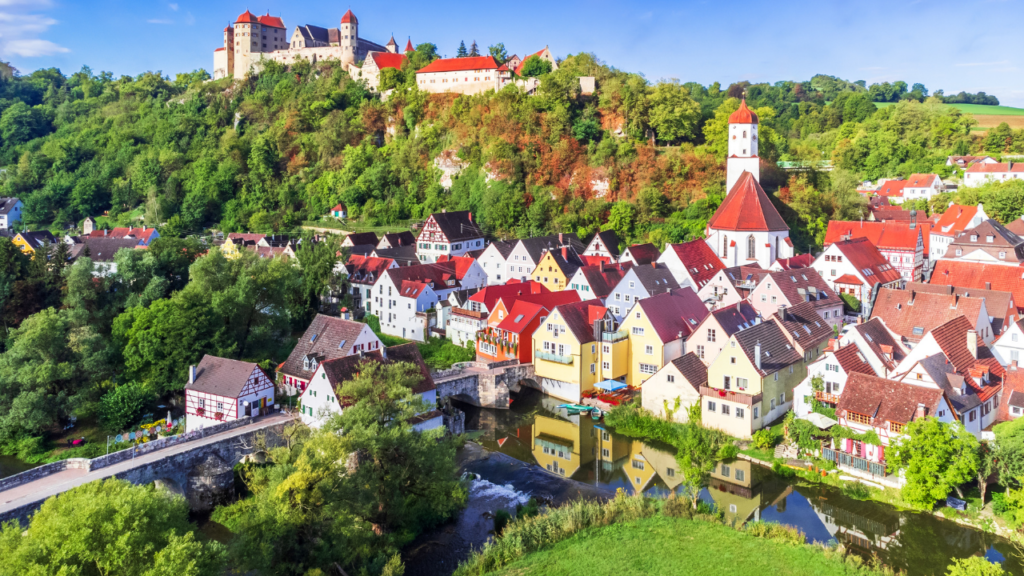
There are few travel routes as instantly recognizable as the Romantic Road – and few as frequently misunderstood.
Ask most travelers how they plan to experience it, and you’ll hear numbers: how many days, how many towns, how many miles covered between point A and point B. But the Romantic Road, winding through the heart of southern Germany, was never meant to be measured that way. Its true reward lies not in distance, but in atmosphere, and a character unfolds gradually, inviting travelers to slow their pace and engage their senses along the way.
This is not a road to conquer. It’s one to absorb.
A Route That Changes Mood as You Travel
Part of what makes the Romantic Road so compelling is how subtly it shifts as you follow it. The feeling of the journey evolves, sometimes quietly, sometimes dramatically, depending on where you are and how you move through it.
In the northern stretches, the tone feels refined and open. Vineyards edge riverbanks, towns feel elegant rather than quaint, and afternoons stretch long over wine glasses and stone bridges. Farther along, villages grow more intimate and enclosed, with winding lanes, fortified walls, and rooftops rising in playful angles toward church steeples. By the time the road reaches deeper into Bavaria, the scenery feels unmistakably storybook, yet still grounded in daily life.
This progression is one of the Romantic Road’s great strengths. Experienced with intention, it feels less like a series of stops and more like a narrative arc.
Where Elegance Meets Everyday Life
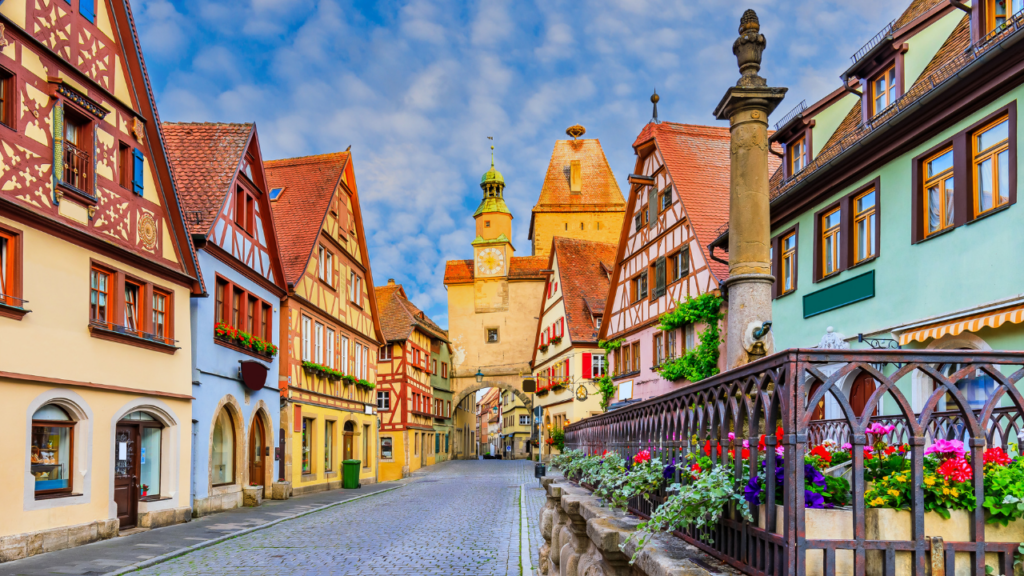
What’s often overlooked in descriptions of the Romantic Road is how lived‑in it feels. These towns are not static museums. They are places where morning deliveries roll across cobblestones, locals gather at cafés after market runs, and centuries‑old wine traditions remain part of everyday ritual.
You might pause at a town square not because it’s famous, but because the rhythm feels right. A bakery window fogs slightly from the warmth inside. Church bells mark the passage of time without urgency. Conversations spill easily onto terraces as the day softens into evening.
History here provides texture, not lectures. It’s woven into building façades, town layouts, and cultural customs, present without needing constant explanation.
Storybook Scenes and the Spaces Between Them
Yes, the Romantic Road delivers on its visuals. Timber‑framed houses, guarded gates, and skyline views straight from a fairy tale are very much part of the experience. But the most meaningful moments often happen just beyond the camera’s frame.
An early walk before the day’s visitors arrive. A quiet side street that leads nowhere in particular. A restaurant recommendation offered casually by someone who lives upstairs.
When travelers give themselves breathing room (aka unscheduled time), the Romantic Road reveals a softer, more personal version of itself.
Why Pace Matters More Than Distance
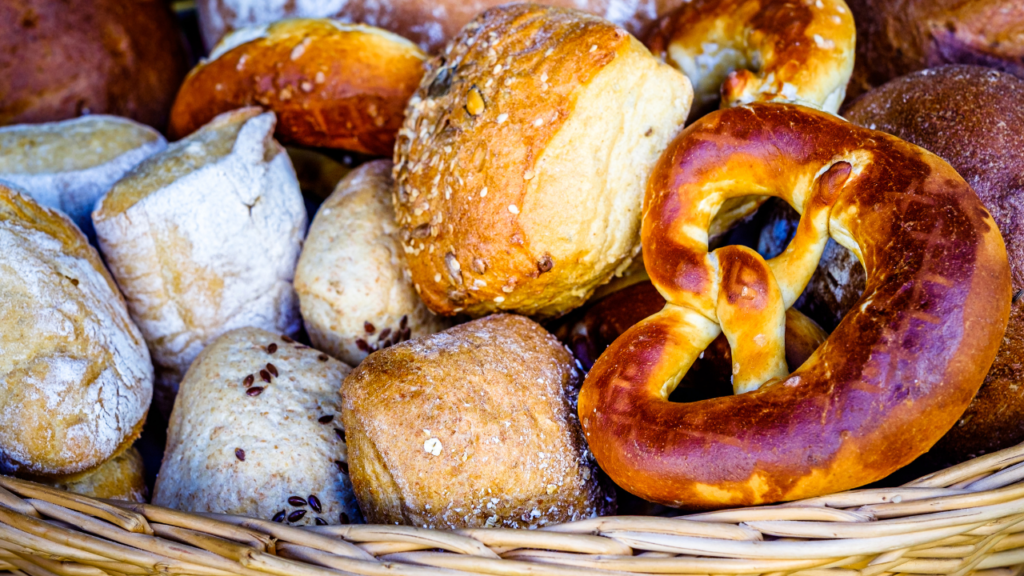
One of the most common missteps along the Romantic Road is trying to do too much, too quickly. While it may be tempting to fit as many towns as possible into a single trip, this route rewards restraint.
Long lunches matter here. So do late afternoons with nowhere you’re required to be next. The experience improves when movement feels fluid rather than rushed, when each destination has room to linger and settle.
Thoughtful pacing transforms the road from a sightseeing route into a sensory journey.
A Cultural Throughline Through Modern Germany
What makes the Romantic Road enduring, even in contemporary Germany, is its role as a cultural connector. It threads together regions shaped by craftsmanship, trade, faith, and preservation, all without feeling frozen in time.
Some towns wear their history openly; others carry it more quietly. Together, they reflect a country that values continuity and care, even as it evolves. The Romantic Road remains relevant because it offers contrast: a slower cadence within a modern world.
Experiencing the Romantic Road with Intention
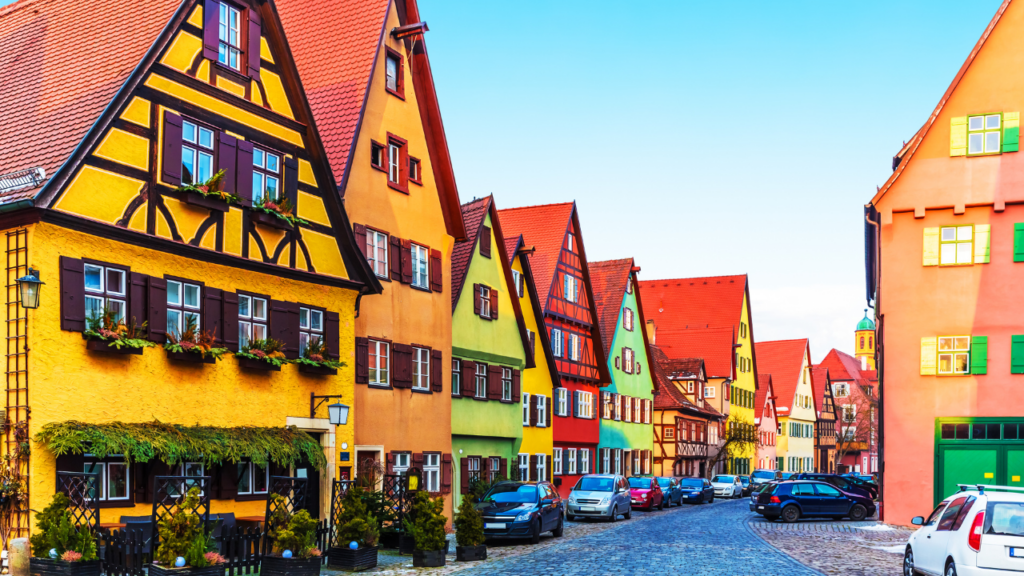
To travel the Romantic Road well is to approach it with curiosity rather than efficiency. It invites travelers to notice small details, adjust expectations, and allow the journey to set its own tempo.
Those who do often return with memories that feel less like highlights and more like moments – distinct, textured, and deeply human.
Because in the end, the Romantic Road isn’t defined by miles covered or towns checked off. It’s defined by the atmosphere you carry with you long after the road itself fades from view.
Interested in traveling in Germany with intention?
Explore our collection of thoughtfully curated journeys and destination insights designed to turn inspiration into meaningful travel experiences.





Leave a Reply