

Europe without crowds is not about skipping the icons. It’s about reclaiming the feeling that made you want to go in the first place. Space to wander. Time to linger. A sense that the place belongs to you, if only for a moment.
The truth is simple. Europe hasn’t changed, but where everyone is going has. These swaps deliver the same magic, with more richness, more access, and far fewer bottlenecks.
Cultural Capitals Without the Crowds
Paris → Lyon
Why it works: Lyon has the architecture, the riverfront beauty, and a culinary reputation that quietly outshines Paris. It feels lived in, not visited.
Who it’s for: Travelers who want culture and cuisine without the performance.
Travel Maestro tip: Lyon has more than 400 hidden passageways called traboules, originally used by silk workers to move goods through the city unseen.
Rome → Puglia
Why it works: You trade chaos for coastline. Puglia offers whitewashed villages, Baroque towns like Lecce, and Adriatic views that feel undiscovered.
Who it’s for: Italy lovers who want authenticity over intensity.
Travel Maestro tip: Alberobello’s trulli homes are not just picturesque; many are still privately owned and passed down through generations.
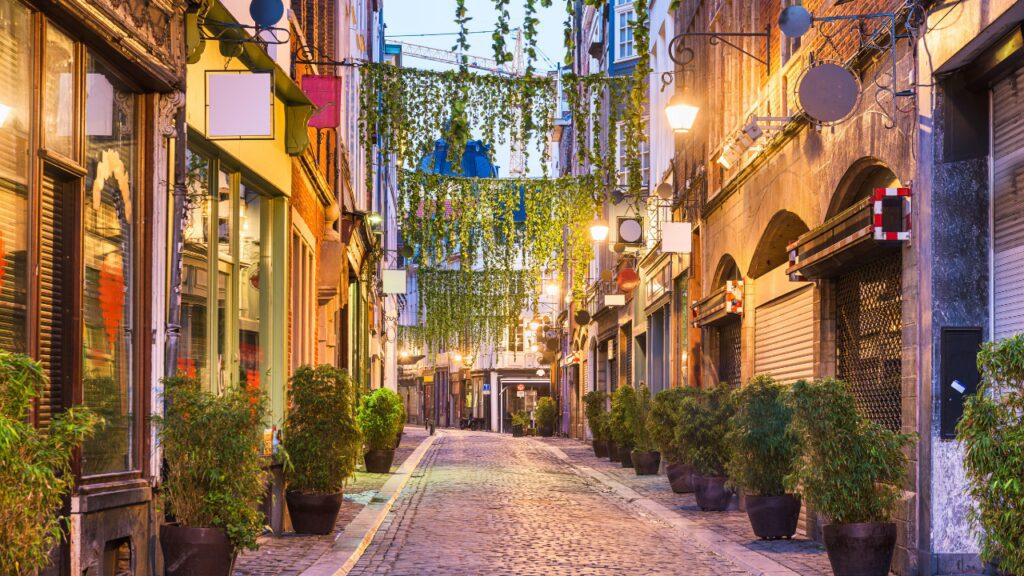
Florence → Bologna
Why it works: Art, history, and arguably Italy’s best food scene, without the museum lines dictating your day.
Who it’s for: Travelers who want depth, not just highlights.
Travel Maestro tip: Bologna is home to the “mother of universities,” founded in 1088, which still shapes the city’s youthful energy today.
Vienna → Graz![Photo]()
Why it works: Elegant architecture meets contemporary design. Graz feels curated, but never crowded.
Who it’s for: Culture-forward travelers who appreciate contrast.
Travel Maestro tip: Graz’s Kunsthaus, known as the “Friendly Alien,” intentionally disrupts the city’s Baroque skyline.
Prague → Olomouc
Why it works: Gothic drama, astronomical clocks, and a true local rhythm.
Who it’s for: Travelers chasing atmosphere over attention.
Travel Maestro tip: Olomouc’s Holy Trinity Column is a UNESCO site that rivals Prague’s landmarks yet sees a fraction of the visitors.
Overhyped Islands → Authentic Escapes

Capri → Ischia
Why it works: Glamour with grounding. Ischia offers thermal spas, lush hillsides, and a slower cadence.
Who it’s for: Wellness-minded travelers with a taste for Italy.
Travel Maestro tip: Ischia has over 100 natural thermal springs, used since Roman times.
Mallorca → Menorca
Why it works: Trade scene for serenity. Menorca’s coves feel secret, its pace intentional.
Who it’s for: Beach lovers seeking quiet luxury.
Travel Maestro tip: Menorca’s Camí de Cavalls trail loops the entire island, originally built for defense patrols.
Santorini → Naxos
Why it works: Same Cycladic beauty, none of the cruise ship compression. Naxos feels expansive and genuinely Greek.
Who it’s for: Beach seekers and culture lovers who want balance.
Travel Maestro tip: Naxos is the largest Cycladic island, yet only a fraction of visitors make it past the main port town.
Coastal Showdowns

Amalfi Coast → Cilento Coast
Why it works: The same dramatic coastline, but with breathing room and authenticity.
Who it’s for: Travelers who want Italy before it was curated.
Travel Maestro tip: Cilento is part of the UNESCO biosphere reserve and is credited as the birthplace of the Mediterranean diet.
French Riviera → Basque Coast
Why it works: Culture replaces flash. Food becomes the headline.
Who it’s for: Culinary travelers and design-minded explorers.
Travel Maestro tip: San Sebastián has one of the highest concentrations of Michelin stars per capita in the world.
Dubrovnik → Perast
Why it works: Adriatic beauty without the congestion. Perast feels cinematic and still.
Who it’s for: Travelers who want coastal drama and calm.
Travel Maestro tip: Perast has just one main street, which keeps its historic character entirely intact.
Fairytale Cities—Without the Fairytale Pricing

Hallstatt → Bad Ischl
Why it works: Alpine beauty with imperial history and space to enjoy it.
Who it’s for: Slow travelers drawn to landscapes and stories.
Travel Maestro tip: Emperor Franz Joseph spent his summers in Bad Ischl for over 60 years.
Bruges → Mechelen
Why it works: Canals, charm, and Renaissance architecture, but without the tour-heavy feel.
Who it’s for: Travelers who want Belgium’s beauty on a more intimate scale.
Travel Maestro tip: Mechelen’s cathedral tower is unfinished by design, and locals insist it gives the city character.
Edinburgh → Stirling
Why it works: Castles, history, and cinematic landscapes, with a fraction of the festival crowds.
Who it’s for: History lovers and first-time Scotland explorers alike.
Travel Maestro tip: Stirling Castle was once considered more strategically important than Edinburgh Castle.
Big City Energy, Softened
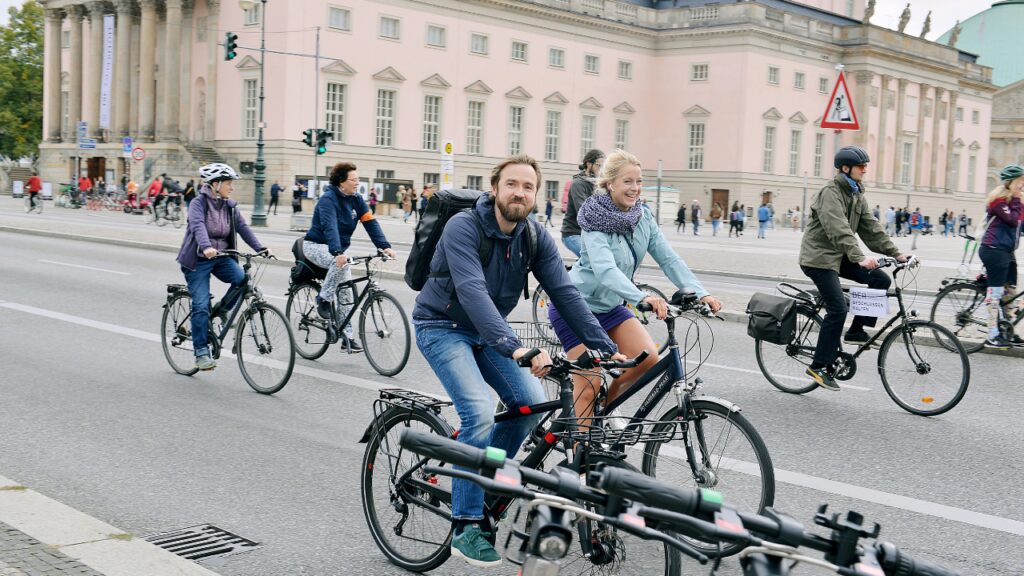
Barcelona → Valencia
Why it works: Beaches, architecture, and vibrant culture, without overtourism fatigue.
Who it’s for: City-meets-sea travelers.
Travel Maestro tip: Valencia is the birthplace of paella, and traditional versions never include seafood.
Amsterdam → Utrecht
Why it works: Same canals, same cycling culture, calmer pace.
Who it’s for: Travelers who want charm without congestion.
Travel Maestro tip: Utrecht’s canals feature unique wharf-level terraces right on the water, something Amsterdam does not have.
Berlin → Leipzig
Why it works: Creative, evolving, and still under the radar.
Who it’s for: Culture seekers who like discovering what’s next.
Travel Maestro tip: Leipzig was once home to Johann Sebastian Bach, who worked there for nearly 30 years.
Wine & Countryside Alternatives

Tuscany → Le Marche
Why it works: Rolling hills, vineyards, and medieval towns, just without the crowds.
Who it’s for: Wine lovers who value discovery.
Travel Maestro tip: Le Marche produces Verdicchio, one of Italy’s most underrated white wines.
Lake Bled → Lake Bohinj
Why it works: Bigger, quieter, more dramatically framed by the Alps.
Who it’s for: Nature-first travelers.
Travel Maestro tip: Lake Bohinj sits inside Triglav National Park, Slovenia’s only national park.
The Takeaway
Europe without crowds is not a compromise. It’s an upgrade. More access. More authenticity. More of the moments that actually stay with you.
The question is no longer where to go. It’s how you want to feel when you get there.
Ready to Travel Differently?
Your next European journey should reflect your pace, your priorities, and your perspective. Contact Covington to start planning to explore Europe without crowds.




Leave a Reply