

There are trips you take to unwind. And then some journeys stay with you long after you return home.
As Juneteenth invites reflection on freedom, resilience, and progress, it also opens the door to a more personal kind of exploration — cultural heritage tourism. Through travel, history moves beyond memory and takes shape in the places where it unfolded. Streets, coastlines, music, and cuisine begin to tell a deeper story.
For those seeking Black history travel destinations that offer more than sightseeing, these experiences invite understanding, connection, and meaning.
Not long ago, travel itself required careful navigation. Resources like The Negro Motorist Green Book guided Black travelers to places where they were welcomed and safe.
Today, the ability to explore these destinations freely adds another layer of meaning, transforming travel into not just a journey across distance, but across time.
Think of what follows not as a list, but as chapters in a larger story, one shaped by resilience, creativity, and enduring cultural connection.
Chapter 1: Charleston – Where the Story Enters America

Many define Charleston by its beauty, cobblestone streets, pastel facades, and waterfront charm. But beneath that surface lies one of the most significant entry points of the transatlantic slave trade in the United States.
A visit here asks for intention.
At sites like the International African American Museum and Gadsden’s Wharf, the narrative shifts from picturesque to powerful. You begin to understand not only the scale of what occurred, but the human stories behind it. Beyond the historic district, the traditions of the Gullah Geechee people offer a living connection to West African heritage, preserved through language, food, and community.
This is not a place to skim. It’s a place to engage.
With private guides, cultural immersion, and culinary storytelling woven into the experience, Charleston becomes more than a destination. It becomes a meaningful beginning of cultural heritage tourism, one that reframes how Black history took root in America.
Chapter 2: New Orleans – Where Culture Transforms and Flourishes
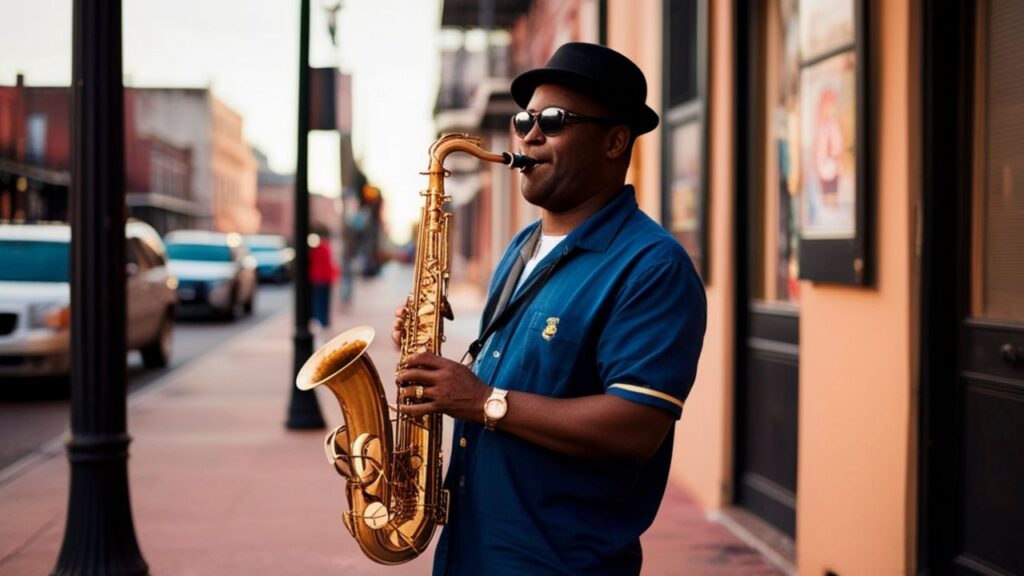
If Charleston is a place of origin, New Orleans is a place of transformation.
Here, history evolves into expression. African, Caribbean, and European influences blend into traditions that continue to shape American culture today. In neighborhoods like Tremé, one of the oldest Black neighborhoods in the country, that legacy is still alive, in music, in community, and in everyday life.
This is where resilience becomes creativity.
A well-designed visit moves beyond the expected. Private music heritage tours, chef-led culinary experiences, and time spent in Black-owned spaces reveal a deeper layer of the city. You don’t simply hear the history; you feel it in the rhythm of the streets and the stories behind each experience.
New Orleans reminds us that culture doesn’t just survive, it thrives, evolves, and inspires.
Chapter 3: Washington, D.C. – Where History Is Preserved and Interpreted

Washington, D.C. offers something essential: perspective.
At the center is the National Museum of African American History and Culture, a space designed for reflection as much as discovery. Each exhibit builds on the last, weaving together stories of struggle, achievement, leadership, and legacy.
Beyond the museum, the story continues. Along U Street, once known as Black Broadway, and across the campus of Howard University, the influence of Black intellectual, cultural, and political life comes into focus.
The difference here is how you experience it.
Without structure, the depth can feel overwhelming. But with a curated approach, expert guidance, thoughtful pacing, and meaningful context, the city becomes something else entirely. Not just informative, but transformative.
This chapter connects the past to the present, clarifying how history continues to shape the world today.
Chapter 4: Ghana – Where the Story Reconnects

For many travelers, Ghana represents something deeply personal. Not simply a destination, but a return.
Along the coastline, Cape Coast Castle and Elmina Castle stand as powerful reminders of the transatlantic slave trade. Walking through these spaces, and especially through the “Door of No Return,” is an experience that often lingers long after the journey ends.
And yet, Ghana is not defined solely by its past.
In recent years, initiatives like the Year of Return and the ongoing Beyond the Return have extended a meaningful invitation to the African diaspora, particularly Black Americans, to reconnect with their heritage, identity, and global community. That invitation has been met with openness and warmth.
Ghana is widely recognized for its hospitality and welcoming culture, as well as its stability, making it an accessible and rewarding destination when thoughtfully planned. In Accra, a vibrant creative scene emerges, with boutique accommodations, contemporary art, and cultural experiences that feel both rooted and modern.
This is where heritage becomes personal.
With private guided journeys, opportunities for cultural immersion, and moments of genuine connection, including naming ceremonies and community engagement, Ghana transforms travel into something far more lasting.
For many, it becomes the most meaningful chapter of all.
A Journey That Connects It All
From Charleston to Ghana, these destinations are linked by more than history. Together, they tell a continuous story, one that spans continents, generations, and lived experiences.
They invite reflection, yes. But more importantly, they invite connections.
To culture. To place. To perspective.
The most powerful Black history travel destinations are not about checking off landmarks. They are about engaging with stories that still shape the world today and experiencing them in a way that stays with you.
Start Your Journey
If you’re ready to explore travel that offers more depth, more meaning, and a stronger sense of connection, these destinations provide a powerful place to begin. Start a conversation about your own journey.
Because the right journey doesn’t just show you where you’ve been; it helps you see where you belong.





Leave a Reply