

Some places are easy to visit. Few are truly understood. Most travelers can stand before a glacier in Alaska, watch the sunrise over the African savanna, or marvel at the vast landscapes of northern Scandinavia. Yet the stories that shaped these places often remain just out of view, hidden beneath the surface of what we see.
That’s one reason Indigenous-led travel experiences are capturing the attention of culturally curious travelers. They offer something increasingly rare in modern travel: a chance to experience a destination through the people whose connection to it spans generations.
These experiences aren’t about checking another attraction off a list. They’re about seeing a place through a different lens.
The Stories Behind the Landscape
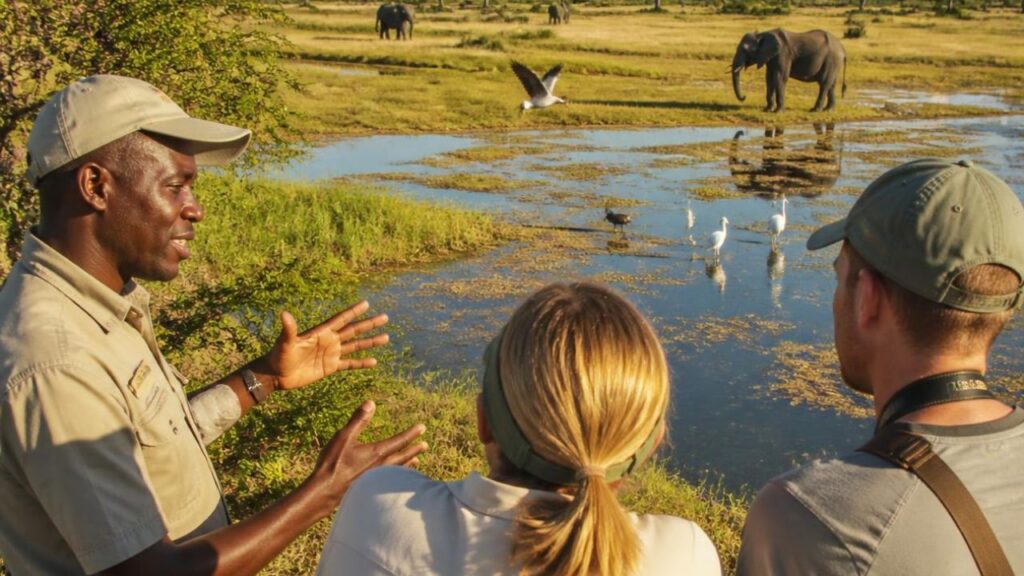
Every destination has a story, but not every story appears on a museum plaque or in a guidebook. In Alaska, for example, travelers may encounter awe-inspiring wildlife and dramatic coastal scenery. Yet an Indigenous guide can offer a deeper understanding of the relationship between local communities and the land, sharing traditions, values, and perspectives passed down for generations.
The same holds true across the world. In Norway and Sweden, Sami communities help visitors understand life in the Arctic beyond its stunning scenery. In Botswana and Kenya, cultural encounters provide insight into ways of living that have evolved alongside some of the planet’s most remarkable ecosystems.
Suddenly, the landscape becomes more than a backdrop. It becomes a living story.
Living Cultures, Not History Lessons
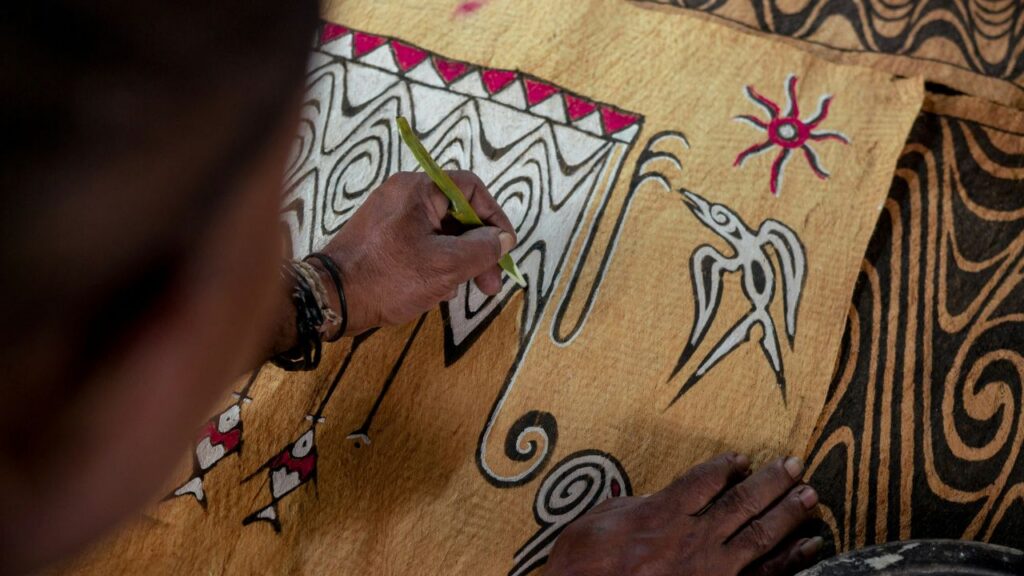
One common misconception about Indigenous tourism is that it focuses solely on the past. In reality, many of today’s most compelling cultural experiences highlight vibrant, contemporary communities that continue to celebrate traditions while shaping their futures.
Visitors might learn traditional artistic techniques, hear stories rooted in centuries of history, enjoy contemporary Indigenous cuisine, or gain insight into modern life within a community. These experiences remind us that culture isn’t something preserved behind glass. It’s something that is lived every day.
For travelers accustomed to generic sightseeing tours, that shift can be surprisingly powerful. Instead of learning about a destination, you’re learning from the people who know it best.
Why These Experiences Matter
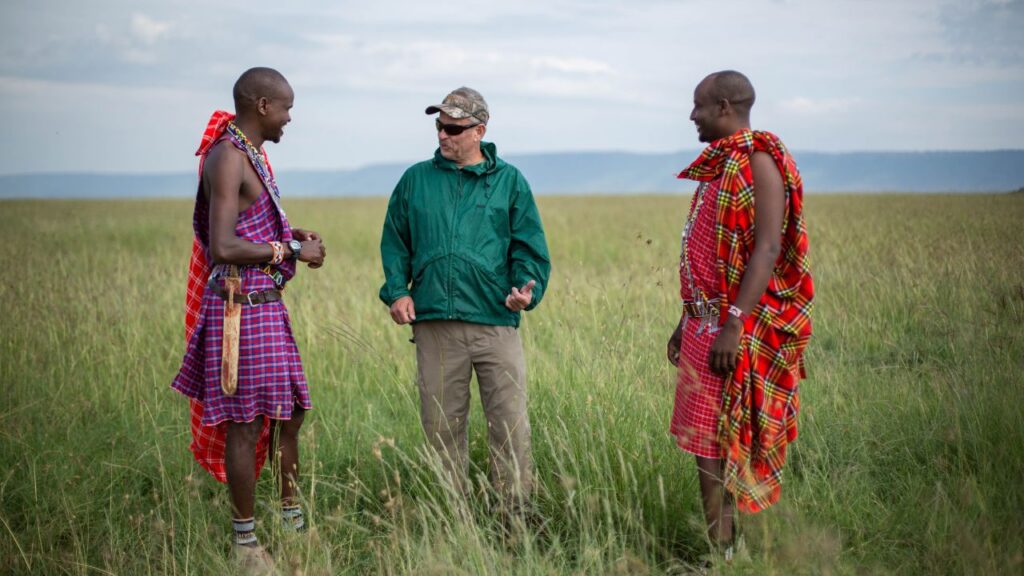
The value of Indigenous-led travel extends far beyond the traveler alone. When tourism experiences are developed and led by local communities, they can help support economic opportunity while encouraging the preservation of languages, traditional knowledge, artistic practices, and cultural heritage.
For many communities, tourism offers a way to share their stories on their own terms. Visitors gain a richer understanding of the destination, while local residents gain opportunities to celebrate and sustain the traditions that make their culture unique. It’s a model of travel that benefits everyone involved.
And for many travelers, knowing that their vacation dollars contribute to local communities adds another layer of meaning to the journey.
What Travelers Take Home
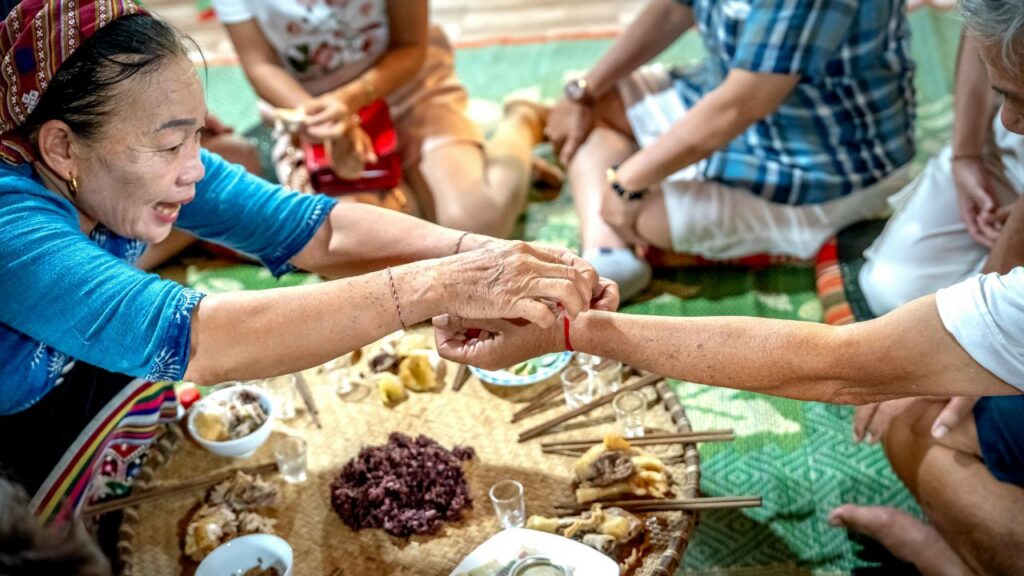
The most memorable souvenirs are rarely things. They are conversations with local storytellers. They are lessons learned around a campfire. They are moments when a guide reveals a perspective that changes the way you see an entire destination.
Long after travelers forget hotel room numbers or dinner reservations, they often remember the people they met and the stories they heard. That’s the lasting power of cultural connection. It’s what transforms a vacation from a collection of sights into a collection of meaningful experiences.
A Different Way to See the World

As travelers increasingly seek authenticity, connection, and purpose in their journeys, Indigenous-led experiences offer a compelling path forward.
Whether it’s listening to a Tlingit guide explain the significance of Alaska’s coastal wilderness, learning about Sami traditions above the Arctic Circle, exploring Aboriginal culture in Australia, or discovering the stories of communities across Africa, these encounters reveal dimensions of a destination that many visitors never experience.
The world is full of remarkable places. But sometimes the most meaningful discoveries come not from where we go, but from the people who help us understand what we’re seeing.
And that’s a journey worth taking. Begin your journey by connecting with a Covington advisor.





Leave a Reply