
Each year, National Travel and Tourism Week highlights the importance of an industry often measured in headlines and statistics—visitor numbers, job counts, economic output. But beneath those big metrics lives a quieter, more meaningful story. The true economic impact of luxury travel isn’t found only at airports or hotel check‑in desks. It’s felt in skilled American trades, regional producers, and service professionals whose livelihoods depend on travelers choosing quality, intention, and depth over volume. When travel is done well, its contribution to the U.S. economy extends far beyond the journey itself.
Behind every well-designed journey – every seamless arrival, expertly prepared meal, thoughtfully restored inn, or unforgettable experience – exists an invisible American economy. One built not on volume, but on skill. Not on shortcuts, but on standards. And not on spectacle, but on people whose livelihoods depend on travelers choosing to show up with intention.
This is the side of travel worth championing.
The Economy Behind Luxury Travel Most People Never See
When people think about the economic impact of travel, they picture airports, rental cars, and hotel towers. What’s less visible is the layered ecosystem behind premium travel experiences, especially luxury leisure and high-touch business travel.
Luxury travel doesn’t simply add dollars to the economy. It circulates them differently. It supports longer stays, deeper destination engagement, and experiences that rely on craftsmanship rather than automation. And that distinction matters.
Because while mass travel rewards efficiency, luxury travel sustains excellence.
How Luxury Travel Supports America’s Craft and Skills Economy
Luxury vacations may feel effortless, but they are anything but. What makes them memorable (and economically meaningful) is the depth of expertise required to deliver them.
The Artisans, Producers, and Professionals Powered by Luxury Travel
Consider the environments that define extraordinary travel experiences:
- A yacht that feels bespoke rather than manufactured
- A countryside lodge with furnishings that reflect a sense of place
- A historic property restored with restraint, not reimagined beyond recognition
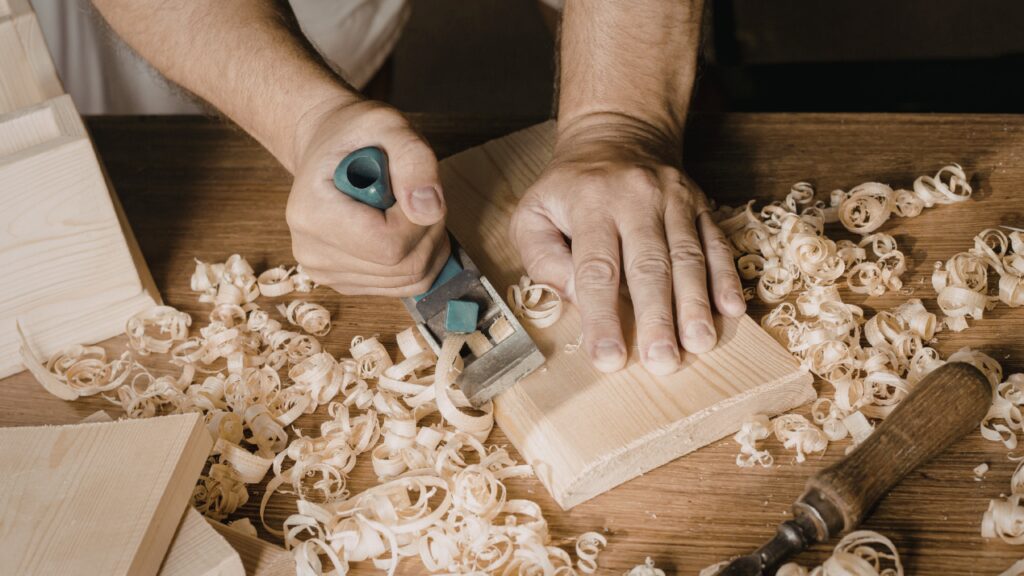
Behind these experiences are American artisans and skilled tradespeople. They are the boat builders, woodworkers, textile specialists, ironworkers, and stone masons whose livelihoods depend on demand for quality that cannot be mass-produced.
These are careers built on mastery. Travel sustains them.
Food, Agriculture, and Regional Identity: An Overlooked Economic Benefit of Travel

The meals travelers remember most rarely come from industrial supply chains.
Luxury hospitality relies on:
- Independent farms and fisheries
- Small-batch producers
- Winemakers, distillers, and cheesemakers who prioritize origin over output
When travelers seek thoughtful dining, not just abundance, they support agricultural communities that might not survive on local demand alone. Travel spending becomes the economic bridge between regional identity and long-term viability.
In this way, luxury travel doesn’t dilute local culture. It keeps it economically relevant.
Why High‑Touch Travel Experiences Depend on Human Expertise
The hallmark of a refined travel experience is that nothing feels forced or complicated. But that sense of ease exists because more people are involved, not fewer:
- Drivers who know when silence is preferred.
- Guides who read a room before they tell a story.
- Concierge teams who resolve problems before they’re felt.
- Crew members who understand discretion as a skill.
Luxury travel is labor-intensive by design. It rewards emotional intelligence, anticipation, and professional pride, qualities that don’t scale, but endure.
Where Business Travel and Luxury Leisure Create Shared Economic Impact
Luxury leisure may be the headline, but business travel plays a crucial supporting role in sustaining the same ecosystem.
Premium business travel:
- Keeps convention cities viable year-round
- Supports professional service networks in regional hubs
- Provides economic continuity outside peak leisure seasons
And increasingly, business travelers extend trips, bringing discretionary spending into destinations they might otherwise only pass through.
The result is a quieter but steadier form of economic participation. Business and leisure travel aren’t opposing forces; together, they stabilize destinations and the people who rely on them.
Why the Economic Impact of Luxury Travel Matters More Than Ever
Travel’s true economic value isn’t how much is spent. The value is in what that spending protects.
Across the U.S., entire industries depend on travelers choosing quality over convenience:
- Skills that cannot be automated
- Trades that take decades to learn
- Communities without another economic engine
When travel slows, these don’t always return intact. Thoughtful travel, by contrast, acts as stewardship. It keeps standards alive. It preserves place. And it creates economic resilience that spreadsheets rarely capture.
The Role of the Thoughtful Traveler in Sustaining the Travel Economy
Luxury travel is often misunderstood as excess. In reality, at its best, it’s about intention.
Where you go.
How you travel.
Who helps you design the experience.
These choices determine whether travel dollars simply pass through or whether they stay long enough to matter.
Working with an experienced advisor ensures that travel:
- Benefits the right partners
- Supports vetted businesses, not volume-based shortcuts
- Delivers access without eroding authenticity
The most meaningful journeys don’t just take you somewhere remarkable. They leave destinations stronger for having welcomed you.
Travel That Strengthens Destinations, Not Just Itineraries
National Travel and Tourism Week is a reminder that travel isn’t only an industry. It’s a network of livelihoods, skills, and stories woven together by people willing to explore with care.
Luxury travel, done thoughtfully, doesn’t shout about its impact. It simply sustains what excellence requires.
And that may be its most enduring contribution of all.



Leave a Reply